Dreaming about a beach place that feels easy to return to, not just impressive to visit? Carpinteria stands out because it offers a more grounded coastal experience than many California beach towns. If you are thinking about a second home here, it helps to understand what daily life, property options, and ownership rules actually look like. Let’s dive in.
Why Carpinteria fits second-home buyers
Carpinteria has the kind of scale that many second-home buyers look for. The 2020 Census counted 13,264 residents, and the city’s planning documents emphasize preserving a small beach-town character, family-oriented neighborhoods, natural resources, and open rural surroundings. That gives the town a more place-based feel than a resort-driven one.
The layout also works in your favor if you want simplicity. The city describes downtown as a T-shaped core, with Linden Avenue serving as the main street that connects town to the beach. For many occasional owners, that kind of clear, compact layout can make weekends and longer stays feel more relaxed.
Beach access feels simple here
One of Carpinteria’s biggest strengths is how easy the shoreline is to understand. The city says Carpinteria City Beach is at the foot of Linden Avenue, Carpinteria State Beach Park is at the foot of Palm Avenue, and Rincon Beach Park is at the foot of Bates Road. You do not need to learn a complicated coastline to settle into a routine.
Carpinteria City Beach runs about 0.25 miles from Ash Avenue to Linden Avenue. Right next to it, Carpinteria State Beach provides more than a mile of shoreline, plus picnic areas, restrooms, hiking trails, and more than 200 daytime parking spaces. If your second-home checklist includes quick beach access and practical amenities, this setup is a major draw.
California State Parks also describes Carpinteria State Beach as a small coastal recreation setting where nearby restaurants, breweries, and entertainment remain part of the overall experience. On the park side, you can enjoy swimming, surf fishing, tidepool exploring, camping, and interpretive programming. That balance helps support a beach lifestyle that feels active without feeling overbuilt.
Outdoor life goes beyond the sand
Carpinteria’s appeal is not limited to beach days. The city’s parks and open-space system includes the Carpinteria Bluffs Nature Preserve, the Coastal Vista Trail, the Carpinteria Salt Marsh Nature Park, and Tar Pits Park. For a smaller town, that is a meaningful range of places to get outside.
The city describes the salt marsh as a rare Southern California wetland. It also notes that the bluffs are popular for whale watching, birding, and ocean views. If you want your second home to support quiet routines like walks, nature outings, and scenic downtime, Carpinteria offers more variety than its size might suggest.
The downtown-and-beach core is highly walkable
For many buyers, a second home works best when you can park the car and do less. In Carpinteria, the most walkable area is the downtown-and-beach corridor centered on Linden Avenue and Carpinteria Avenue. The city says surrounding residential areas are mainly along Maple Avenue and south of Sawyer Avenue.
Beach access points are concentrated at Ash, Holly, Elm, and Linden Avenues. The city says these access points also provide on-street public parking. That kind of straightforward setup adds to the town’s ease of use, especially if you are not there full-time.
Parking matters more than you might expect
In beach towns, parking can shape your experience almost as much as location. Carpinteria manages public parking in the downtown and beach areas, and the city notes that free public parking is available in only a few California beach communities. That is a plus, but it comes with limits.
The city also warns that spaces are limited, time limits apply, and overnight camping in vehicles on public streets or in public lots is prohibited. If you are buying a second home, it is worth thinking through how you, your guests, and any service providers will use parking during busy weekends and summer visits.
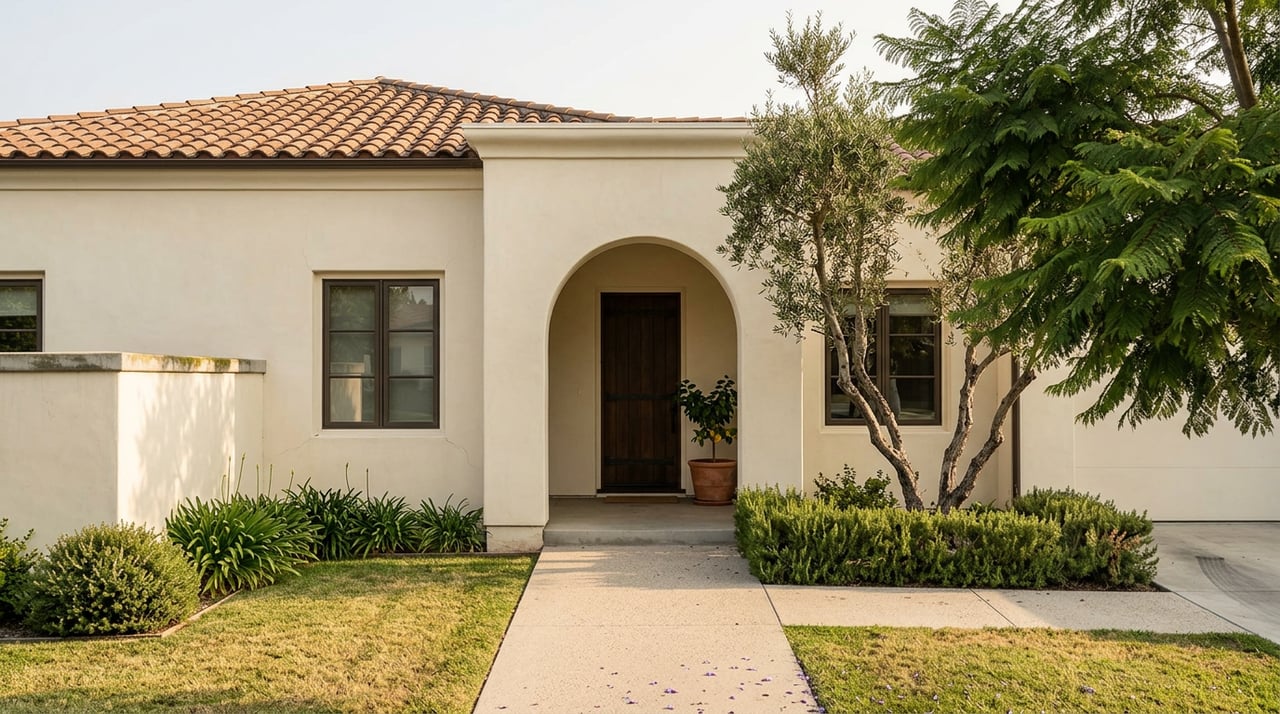
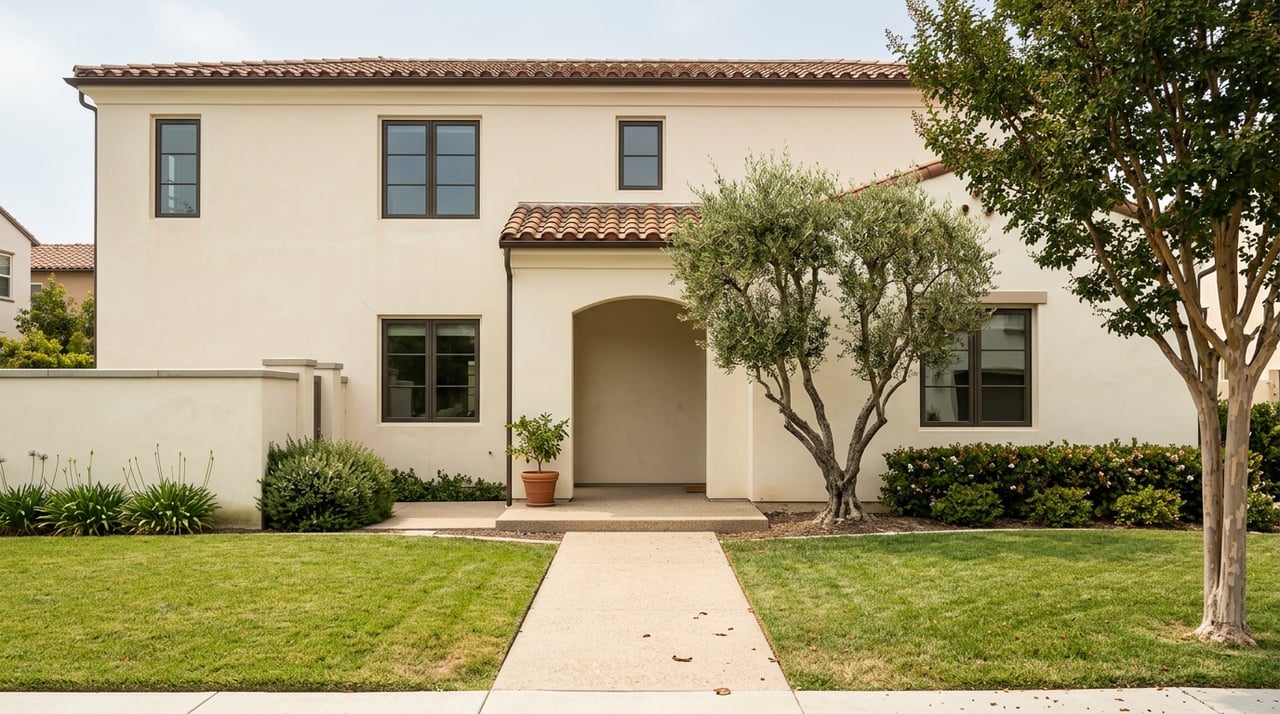
What kinds of homes are in Carpinteria?
If you picture Carpinteria as only a town of detached beach cottages, the actual housing stock tells a broader story. According to the city’s 2023 Housing Element, Carpinteria has 6,189 total housing units. That includes 2,197 single-detached homes, 552 single-attached homes, 2,599 units in buildings with two or more units, and 841 mobile homes.
For second-home buyers, that mix matters. You may find options that range from detached homes to attached residences and smaller multi-unit formats, rather than only classic standalone beach houses. That can open different entry points depending on your budget, maintenance preferences, and how often you plan to use the property.
The city also reports 682 seasonal, recreational, or occasional-use units, which is about 11% of the total stock. At the same time, Census QuickFacts reports a 61.5% owner-occupied housing unit rate for 2020 through 2024. Together, those numbers suggest a town with a meaningful second-home presence but still a substantial resident-owner base.
What the market snapshot suggests
Carpinteria sits in a high-value coastal market. Redfin reported a median sale price of about $1.6 million last month, while Realtor.com described the market as balanced in March 2026. Market conditions change, of course, but that snapshot helps frame expectations.
For you as a buyer, the key takeaway is not just price. It is that Carpinteria appears to function as a million-dollar coastal market with a mix of full-time ownership and occasional-use demand. In a setting like this, property selection and location tradeoffs often matter as much as timing.
Seasonal rhythms shape ownership
A good second-home town usually has a rhythm, and Carpinteria does. In summer, the city runs ocean recreation programming that includes kayak, SUP, and surf lessons. It also hosts Carp Beach Nights and expands beach lifeguard coverage from Memorial Day weekends into daily peak-summer service.
The city has also installed Mobi Mats at every City beach entrance and provides beach wheelchairs during staffed weekend hours in the summer season. Those details reflect a beach environment that is designed to be used, not just admired.
Fall brings one of the town’s most visible community events. The California Avocado Festival began in 1986 and remains in the heart of downtown, drawing roughly 30,000 to 40,000 visitors according to the city. For owners who enjoy local energy, that kind of signature event can become part of the yearly routine.
Winter and spring are quieter in specific shoreline areas because the Harbor Seal Rookery closes from December 1 through May 31 each year to protect mothers and pups. That seasonal closure is an important reminder that Carpinteria’s coastal identity includes conservation, not just recreation.
Pet and beach-use details to know
If your second-home plans include bringing a dog, check beach-use rules early. The city says dogs are prohibited on portions of the City beach between Linden Avenue and Ash Avenue year-round. That may or may not affect your ideal location, but it is the kind of practical detail that helps shape the right fit.
This is one reason second-home buying in Carpinteria is often about matching your habits to the town’s actual rules and routines. A home near the beach can still feel very different depending on how you plan to spend your time there.
Do not assume short-term rental use
One of the biggest mistakes second-home buyers can make is assuming a property can also operate as a vacation rental. In Carpinteria, that is something to verify carefully. The city says rentals of 30 days or fewer require a license in residential zones.
The rules are also more specific than many buyers expect. New off-site vacation rental licenses are issued only in the Vacation Rental Overlay District, and the city’s TOT FAQ says transient rentals are allowed in PRD, PUD, and CPD zones, but not in R-1 Single Family Residential. If rental flexibility matters to you, zoning and licensing should be part of your property search from day one.
What makes Carpinteria different
Carpinteria reads less like a resort market and more like a coastal town with a steady identity. The appeal is not only about owning near the beach. It is about having access to a compact downtown, a usable shoreline, open space, seasonal traditions, and a community framework that has clearly chosen to preserve character.
That distinction matters if you are looking for a second home with staying power. In many cases, the best fit here is for buyers who value lifestyle first, appreciate a smaller-town rhythm, and want clarity about how the town functions before they buy.
If you are weighing whether Carpinteria fits your goals as a second-home beach town, local guidance can make the search far more focused. Toni Guy can help you evaluate neighborhoods, property types, and ownership considerations with the kind of on-the-ground perspective that makes coastal decisions clearer.
FAQs
What makes Carpinteria appealing as a second-home beach town?
- Carpinteria offers a compact layout, direct beach access, open-space amenities, and a small-town coastal character supported by city planning goals and community preservation efforts.
What beaches are most relevant in Carpinteria for second-home owners?
- The city identifies Carpinteria City Beach at Linden Avenue, Carpinteria State Beach Park at Palm Avenue, and Rincon Beach Park at Bates Road, with Carpinteria State Beach providing more than a mile of shoreline and added amenities.
What types of properties are available in Carpinteria?
- The city’s housing data shows a mix of single-detached homes, single-attached homes, multi-unit housing, and mobile homes, giving buyers more options than just standalone beach houses.
What should buyers know about short-term rentals in Carpinteria?
- Rentals of 30 days or fewer require a license in residential zones, and transient rental use depends on zoning, with the city stating that it is not allowed in R-1 Single Family Residential.
What is the housing market like in Carpinteria right now?
- Recent reporting cited in the research shows a median sale price of about $1.6 million and described the market as balanced, offering a current snapshot of a high-value coastal market.
Are there seasonal rules or access changes at Carpinteria beaches?
- Yes. The Harbor Seal Rookery closes from December 1 through May 31 each year, and the city also notes year-round dog restrictions on portions of City beach between Linden Avenue and Ash Avenue.