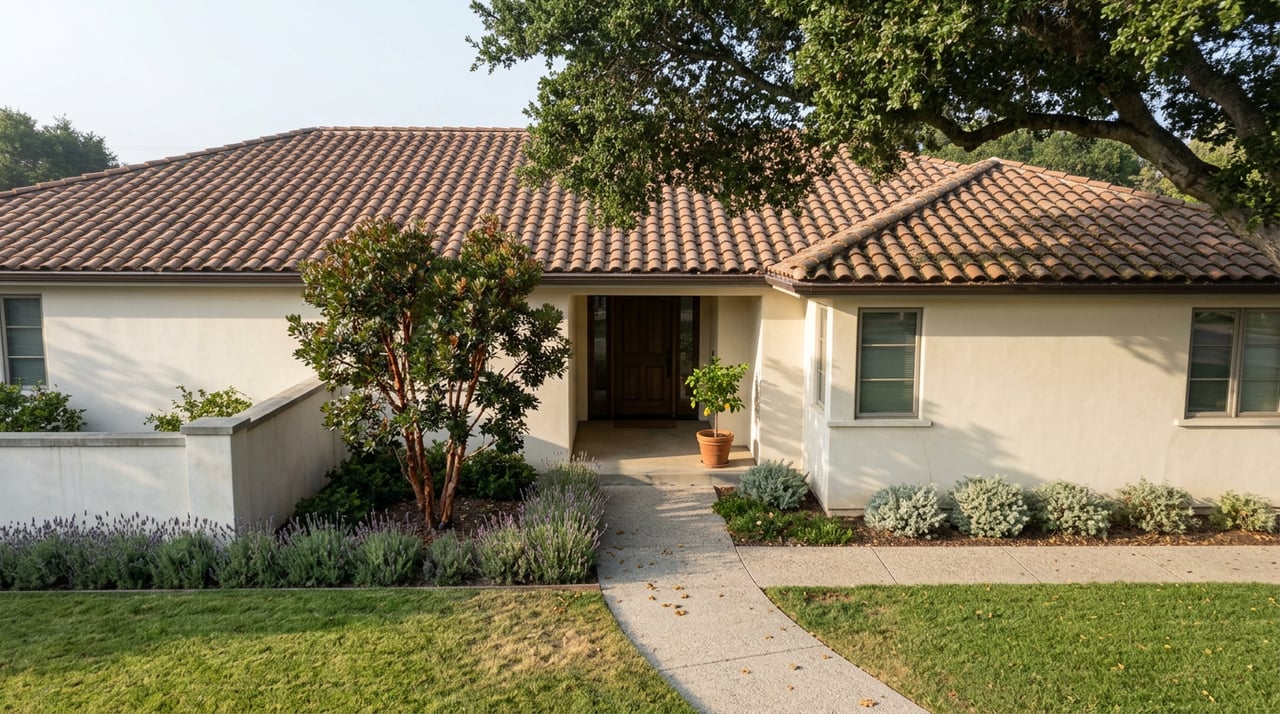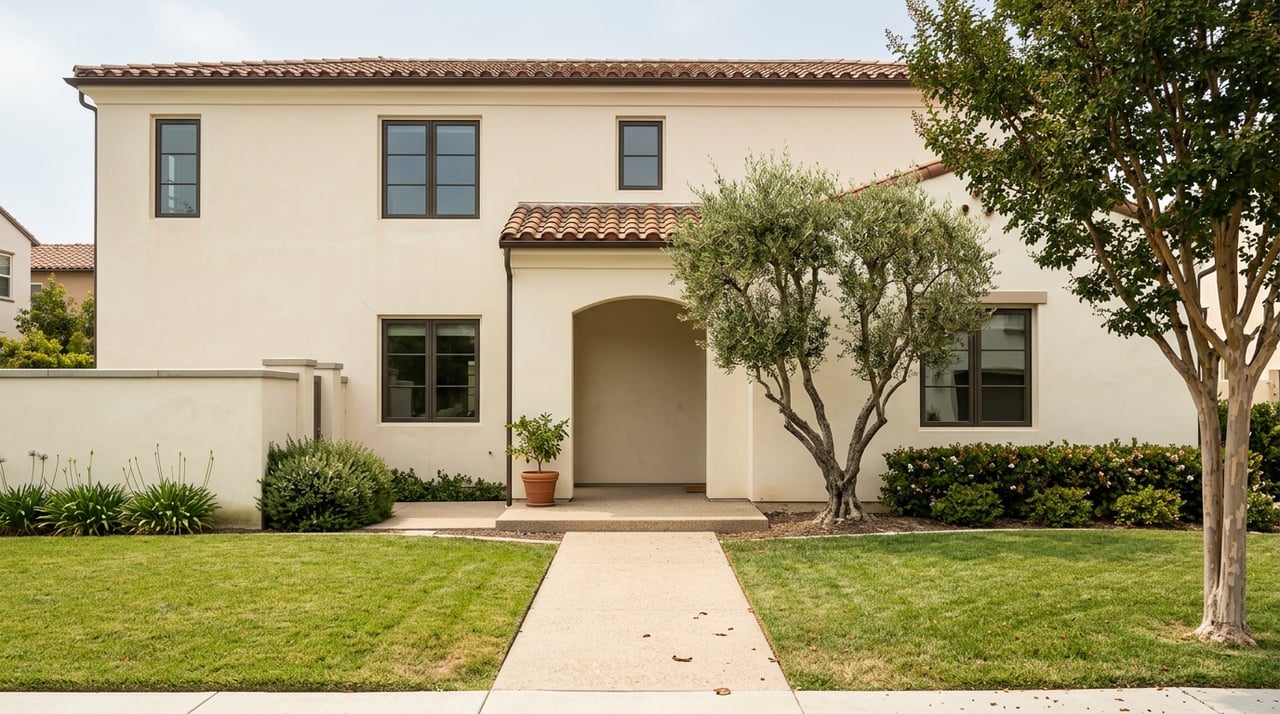
Why would a neighborhood full of homeowners get a chance to erase an annual tax bill with a single vote, and turn it down by a two-to-one margin?
That's exactly what happened in RiverPark, the master-planned Oxnard neighborhood off the 101 and Oxnard Boulevard, in the November 2024 election. Voters there faced four separate measures touching the special tax known as Mello-Roos. One asked them to keep it. Three asked them to shrink or kill it. The keep-it measure won big. The others lost big. If you're comparing Oxnard neighborhoods right now and you've been told to treat any mention of Mello-Roos as a reason to walk away, that vote is worth understanding before you rule anything out.
The tax everyone warns you about, and few explain correctly
A Community Facilities District, the formal name behind the term Mello-Roos, is a special tax district that California cities use to fund infrastructure and services in newer developments, the kind of streets, parks, and public safety coverage that standard property tax revenue can't stretch to cover after Proposition 13 capped how fast assessed values can rise. The tax gets attached to specific parcels, and it works differently than the property tax line most buyers already understand.
The distinction that actually matters for your budget: a CFD special tax is typically a fixed dollar amount tied to a formula set when the district was created, not a percentage of what you paid for the home. It doesn't reset when the property resells at a higher price, and it isn't limited by the same 2% annual cap that governs your base property tax under Prop 13. According to JVM Lending's 2026 breakdown of Mello-Roos mechanics, effective property tax rates in CFD-heavy ZIP codes can run 1.5% to 1.7% of purchase price once the special tax is layered on, compared with 1.1% to 1.3% in areas without one. That gap is the number most listing photos and portal price comparisons never show you.
RiverPark's version, specifically
RiverPark's Community Facilities District No. 5 was formed by the City of Oxnard in 2005 to fund park maintenance, sports field upkeep for youth baseball and soccer, flood and storm protection, and enhanced police patrols within the development, according to the City of Oxnard's own CFD page. It's a non-bonded district, meaning it isn't paying down construction bonds on a fixed schedule that eventually expires. It funds ongoing maintenance and services indefinitely.
The district currently serves 3,082 homes and 13 commercial properties, including The Collection shopping center, according to Protect RiverPark, the property owner group that organized to defend the tax during the 2024 campaign. RiverPark isn't Oxnard's only neighborhood carrying this kind of charge. Seabridge, the waterway community near Victoria Avenue and Wooley Road, carries its own CFD, listed on the same city documentation as CFD No. 4, funding separate infrastructure and maintenance obligations. Every district sets its own rate formula, so a levy in one Oxnard neighborhood tells you nothing about what a similarly built home three miles away might owe.
The vote that wasn't close
Here's where the story gets interesting for anyone treating a CFD line item as a straightforward negative. On November 5, 2024, Oxnard voters within the RiverPark district decided four measures, and the results were lopsided in the same direction every time.
| Measure | What it would have done | Result |
|---|---|---|
| I | Continue the existing RiverPark CFD tax at current rates, no increase | Passed with 75.49% |
| J | Repeal the RiverPark special tax entirely | Defeated, 66.36% voted no |
| K | Cut the maximum allowable tax by half | Defeated, 66.36% voted no |
| L | Restrict what CFD funds could be spent on | Defeated, 68.17% voted no |
Those figures come directly from the City of Oxnard's certified ballot measure results, with Measure J's outcome independently confirmed by Ballotpedia's election coverage. Read those numbers plainly: the people who already pay this tax, who had every incentive to vote themselves a discount, chose overwhelmingly not to take it. That's a revealed preference, not a marketing claim from a builder or an HOA newsletter. It tells you the parks, the youth sports fields, the flood protection, and the extra patrols funded by CFD No. 5 are worth more to RiverPark's own residents than the money would be back in their pockets.
What this means when you're comparing two Oxnard listings
None of that erases the math. It just tells you which direction to point your calculator.
Oxnard's citywide resale market closed June 2026 with a median sold price of $849,997 across 301 transactions, with homes averaging 58 days on market, according to brokerage tracking for that month. A separate report on May 2026 activity put the median sold price at $775,000 against a median asking price of $920,000 across active listings, a gap wide enough to suggest sellers were testing the market before adjusting. Set either of those citywide figures next to a RiverPark or Seabridge listing at a comparable price, and the sticker price alone won't tell you which one actually costs more each month. The CFD levy will.
JVM Lending's own illustration is useful here, not as a RiverPark-specific number but as a way to see how the arithmetic works: a $3,600 annual special tax adds $300 to your monthly housing cost, and because lenders count that figure in your debt-to-income ratio the same way they count a mortgage payment or HOA dues, it can change what you qualify to borrow before you ever compare interior finishes. The actual levy on any specific RiverPark or Seabridge parcel varies by lot size, home size, and which phase of the development it sits in, so the only number that matters is the one on that property's current tax bill, not a neighborhood average.
Compare that against Oxnard's older, CFD-free coastal pockets, places like Silver Strand and Channel Islands Harbor, where you're paying a premium for direct beach or marina access rather than for a special tax. A January 2026 neighborhood snapshot put the Channel Islands median at $1.6 million, and trailing-twelve-month tracking around the same period showed Silver Strand near $1.3 million, though thin sales volume in these tight waterfront pockets, sometimes fewer than ten closings in a given month, can swing a reported median sharply from one data pull to the next. That same January 2026 snapshot showed Silver Strand's own median jumping to $1.8 million on just nine recorded sales, a reminder that a headline number built on that little volume tells you less about the going rate than it looks like it does.
Checking the actual number before you write an offer
- Pull the most recent property tax bill for the specific parcel and look for a line item labeled Special Tax, Special Assessment, or a named CFD.
- Ask the seller's agent for the current year's bill and any CFD disclosure documents, which sellers are required to provide as a material fact.
- Check the preliminary title report for recorded special tax liens tied to the property.
- Divide the annual levy by 12 to get a monthly figure you can hand directly to your lender.
- Ask your lender to fold that monthly number into your debt-to-income calculation before you finalize what you can offer.
A few questions worth settling early
Does the RiverPark CFD tax ever expire? No. It's a non-bonded district covering ongoing maintenance and services, and the City of Oxnard's own materials describe it as permanent rather than tied to a bond payoff date.
Will my CFD payment go up if my home's assessed value rises? Not directly. The tax is set by a formula, not a percentage of value, so a jump in your home's worth doesn't automatically raise the bill. The district can still adjust the levy under its own schedule, which is another reason to check the current figure rather than assume last year's number holds.
Is RiverPark the only Oxnard neighborhood with this kind of tax? No. Seabridge carries its own CFDs for separate infrastructure, and other master-planned pockets across the city have formed similar districts over the years. Each one sets its own rate, so the only way to know what applies to a specific address is to check that address.
The median price you see on a search result is a starting point, not the full cost of ownership, and in a market where two Oxnard neighborhoods can sit within a few thousand dollars of each other on paper, the special tax line is often the detail that actually decides which one fits your budget. If you're weighing RiverPark against Seabridge against one of Oxnard's older coastal pockets, Toni Guy can pull the exact CFD figures for the specific homes you're considering and walk through what they mean for your monthly number before you write an offer. Get Your Instant Home Valuation to start the conversation with real numbers in hand.