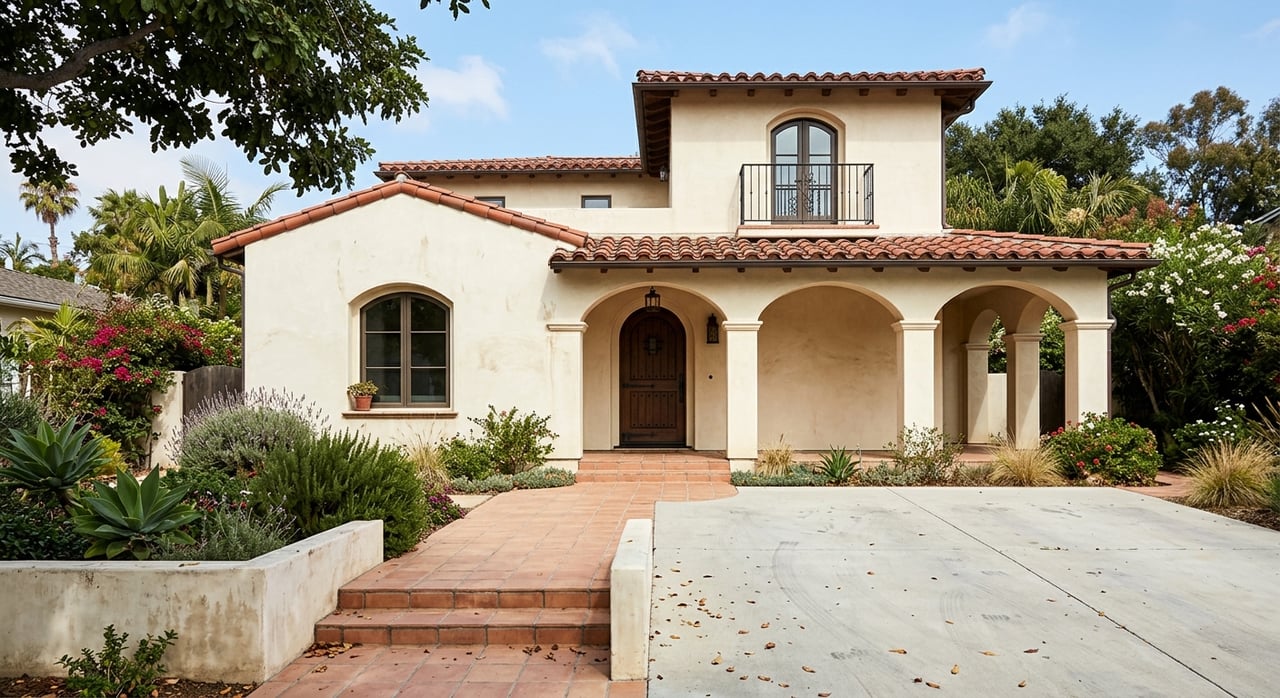
Moving to Santa Barbara can feel like chasing a postcard, until you start comparing neighborhoods, commute patterns, and home prices in real life. If you’re relocating from out of the area, you need more than pretty views to make a smart move. This guide will help you understand how Santa Barbara actually lives day to day, what to watch for before you choose a neighborhood, and how to avoid the most common relocation mistakes. Let’s dive in.
Why Santa Barbara Feels So Different
Santa Barbara is compact, but it does not live like one uniform market. The city has about 91,930 residents across 43.1 square miles, and its mountain-to-sea setting creates distinct neighborhood experiences that can feel very different from one another.
That matters when you’re relocating. A home near the beach, a property in a hillside setting, and a place closer to downtown may all offer a very different rhythm, even if they are only a short drive apart. In Santa Barbara, your daily experience often comes down to micro-location.
The climate is part of the draw too. NOAA’s 1991 to 2020 climate normals for Santa Barbara show an annual mean temperature of 62.5 degrees, about 18.98 inches of precipitation, and essentially no snow, which helps explain why so many out-of-area buyers picture an easy coastal lifestyle here.
Understand the Cost Before You Fall in Love
Santa Barbara is a high-cost housing market, and it helps to set your priorities early. According to the City’s 2025 to 2029 Consolidated Plan, the median home value rose from $846,400 in 2010 to $1,195,000 in 2024, while median contract rent reached $1,995.
The same report notes that incomes did not keep pace with housing costs, and only 11% of homes were affordable to households earning less than $175,000 per year. For you, that means relocation planning should start with a clear conversation about budget, trade-offs, and what matters most in your everyday life.
In practical terms, most buyers need to rank priorities like these before they start touring:
- Beach access
- Walkability
- Lot size
- Privacy
- Commute convenience
- Quieter residential setting
- Budget control
Think in Micro-Neighborhoods, Not Zip Codes
One of the biggest relocation mistakes is treating Santa Barbara like a single market. The city’s housing plan identifies 32 residential neighborhoods, generally organized into three planning areas, and that tells you something important right away: this is a city of micro-markets.
A smart home search starts by matching your lifestyle to the right part of town. Here’s a simple way to think about some of the areas that matter most to out-of-area buyers.
Downtown and Waterfront Areas
Downtown, Presidio, Arts District, and Old Town
If you want walkability, activity, and easy access to restaurants and culture, this part of Santa Barbara deserves a close look. Downtown is often described as a mosaic of micro-neighborhoods, while the Presidio is the city’s historic heart and a defining part of local identity.
This area tends to fit buyers who want an urban feel in a smaller coastal city. It can be a strong option if you like being close to daily conveniences and don’t want every errand to require a car.
Waterfront, West Beach, and East Beach
If your Santa Barbara vision includes the coast front and center, the beach districts may feel like the dream. West Beach includes dense multi-unit housing alongside visitor-serving uses, while East Beach offers access to the shoreline, playgrounds, volleyball courts, and a broad coastal trail network.
These areas offer strong pedestrian and bike access, but they also tend to feel more publicly active. If you value a lively waterfront setting, that can be a plus. If you want more privacy or less event activity, you may prefer to look farther inland.
Residential Neighborhood Options
Mesa, Westside, Lower West, Eastside, and Laguna
These neighborhoods help many relocators understand what everyday Santa Barbara living can look like beyond the beach and downtown districts. The Mesa is known for predominantly single-unit housing, while the Westside transitions from single-unit homes to duplexes and multi-unit housing as you move toward the urban core and Highway 101.
Lower West is one of the city’s most densely settled residential areas, with modest single-family homes, older apartments, and condos. Eastside is mainly residential with commercial activity along Milpas Street, and Laguna becomes denser and more institutional closer to downtown.
For you, this group can be especially useful if you want to compare housing types, density, and neighborhood feel without assuming every Santa Barbara address delivers the same lifestyle. These are often the neighborhoods that reveal the city’s practical side.
Upper East, Riviera, San Roque, and Samarkand
If you’re looking for a quieter residential setting, more privacy, or a view-oriented environment, this cluster is often where your search becomes more focused. The Upper East is primarily residential and includes spacious single-family homes on large lots, while San Roque is known for smaller homes on large lots and ongoing redevelopment pressure.
Samarkand is also primarily single-family and sits near Upper State Street. On the Lower Riviera, steep hillsides shape streets and lots, which can influence everything from views to drive times to how walkable a block feels.
These neighborhoods often appeal to buyers who want a more tucked-away residential character. They can feel very different from the flatter, busier parts of town, so seeing them in person is especially important.
Commute Reality Matters More Than Map Distance
A short distance on a map does not always mean an easy commute in Santa Barbara. Highway 101 is the main commute spine for the South Coast, and regional transportation data shows peak pressure during weekday commuting hours.
SBCAG’s Freeway Service Patrol operates Monday through Friday from 6:30 a.m. to 9:30 a.m. and again from 3:30 p.m. to 6:30 p.m. between Bates Road and Los Positas Road. That is a strong reminder that you should test any commute at the actual time you would be driving, not in the middle of the day when roads feel calmer.
If you’re relocating for work, build your home search around your real schedule. A property that seems close online may feel very different during the weekday rush.
Transit Can Expand Your Options
Some out-of-area buyers assume Santa Barbara is entirely car-dependent, but transit options are broader than many expect. The Santa Barbara MTD Transit Center in downtown serves more than 10,000 passengers per day, and buses support Tap2Ride contactless payment.
Regional rail has also expanded. As of May 4, 2026, the Amtrak Pacific Surfliner added a new daily roundtrip and expanded peak-hour service for Ventura County, Santa Barbara, Goleta, and beyond.
That does not mean every household can go car-light with ease. It does mean that if you choose the right location, especially near downtown or other well-connected areas, transit may play a more meaningful role in your routine than you first assumed.
Don’t Overlook Parking Rules
Parking can shape your daily life just as much as your commute. The City says there are currently nine designated permit parking areas, including one in West Beach, one on the Mesa, one in the Las Positas and Modoc area, and six downtown.
The key point is that resident permit parking is neighborhood-driven, so conditions can vary block by block. Before you commit to a home, verify permit requirements, street sweeping schedules, and realistic guest parking options.
This is one of the easiest details to overlook when you are relocating from out of town. It is also one of the fastest ways to regret an otherwise beautiful property.
How to Research Santa Barbara From Afar
You do not need to start blind just because you live out of the area. The City’s MAPS portal is a strong official tool for remote research because it includes district maps, parks maps, historic properties mapping, construction and land development maps, and major public works project maps.
Used well, those resources can help you pre-screen a neighborhood’s street context, nearby activity, and general layout before you book a scouting trip. This is especially helpful in Santa Barbara, where topography, density, and transportation patterns can change your experience quickly.
When clients relocate, one of the most valuable steps is narrowing the search by lifestyle first. A beautiful listing photo only tells part of the story. The block, the slope, the traffic pattern, and the evening parking situation matter too.
What to Do on a Scouting Trip
A scouting trip should be less like a vacation and more like a field test. If possible, visit the same neighborhood at different times of day so you can see how it actually functions.
Here are a few smart things to check in person:
- Drive Highway 101 during your likely commute hours
- Walk the block in the morning and evening
- Check guest parking and permit signs nearby
- Notice whether the area feels active, quiet, dense, or hillside-oriented
- Test how easy it is to reach the places you’ll use most
Santa Barbara rewards buyers who pay attention to the details. The right neighborhood is not just the one that photographs well. It is the one that fits how you want to live.
Common Relocation Mistakes to Avoid
Relocating to Santa Barbara gets easier when you know what not to assume. Most avoidable mistakes come from treating the city too generally.
Watch out for these common missteps:
- Assuming Santa Barbara is one market instead of several micro-markets
- Judging a commute based on a midday drive
- Ignoring permit parking and street-sweeping rules
- Choosing a home based on visuals alone
- Underestimating how hillsides, density, and activity levels affect daily life
A little extra homework upfront can save you time, money, and frustration later. In a market this specific, local context matters.
A Smarter Way to Relocate to Santa Barbara
The best Santa Barbara move is usually not about finding the most famous neighborhood. It is about finding the right fit for your routine, your priorities, and your budget.
That may mean walkability near downtown, a more residential feel in San Roque or Samarkand, a beach-forward lifestyle near West Beach or East Beach, or a quieter setting in the Upper East or Riviera. Each option tells a different story, and the smartest relocation plan starts by figuring out which story fits you best.
If you’re planning a move and want neighborhood-by-neighborhood guidance grounded in real local context, Toni Guy can help you compare Santa Barbara options with clarity and confidence.
FAQs
What should you know before relocating to Santa Barbara from out of the area?
- You should understand that Santa Barbara is a compact but highly neighborhood-specific market with high housing costs, varied commute patterns, and block-by-block differences in parking and daily feel.
Which Santa Barbara neighborhoods are most walkable for relocators?
- Downtown, the Presidio, the Arts District, Old Town, and the Waterfront are among the strongest walkable options, with West Beach and East Beach also offering strong pedestrian and bike access.
Which Santa Barbara neighborhoods feel more residential for out-of-area buyers?
- Mesa, San Roque, Samarkand, Upper East, and parts of the Riviera are commonly associated with a more residential, lower-density feel.
How expensive is Santa Barbara for buyers and renters?
- The City reports a 2024 median home value of $1,195,000 and a median contract rent of $1,995, which reflects the area’s high-cost housing market.
What should you verify during a Santa Barbara relocation scouting trip?
- You should test your likely commute during peak hours, check parking rules and guest parking, and pay attention to whether the neighborhood feels active, dense, quiet, flat, or hillside-oriented at the times you would actually live there.