If you have been thinking about buying your first rental in Ventura, you already know the appeal and the challenge. This is a coastal market where prices are high, rents are meaningful, and the margin for error can be small. The good news is that you can still build a smart small rental portfolio here if you stay conservative, choose the right property type, and understand the local rules before you close. Let’s dive in.
Why Ventura takes careful planning
Ventura can work for small-scale investors, but it is not a market where you want to buy first and figure out the numbers later. According to Zillow’s February 2026 Ventura market data, the city’s average home value was $887,080, the median sale price was $871,417, and the average asking rent was $2,868.
Using those figures, the simple gross-rent-to-price ratio is about 3.9% before you factor in vacancy, financing, taxes, insurance, and repairs. That does not mean Ventura is a bad place to invest. It means your underwriting needs to be disciplined, your reserves need to be real, and your strategy should be built around long-term stability rather than overly optimistic projections.
A City of Ventura staff report from February 2025 adds more context. It estimated more than 41,000 dwelling units citywide, with about 18,938 units available for rent and an average rent of $2,421 per month at that time. Because these figures come from different sources and dates, it is best to use them as broad evidence that Ventura is an expensive rental market, not as interchangeable numbers for your spreadsheet.
Start with the right portfolio mindset
For most first-time investors, a small portfolio in Ventura works best when you think in layers. Your first property does not need to be perfect. It needs to be understandable, financeable, and manageable enough to help you buy the next one.
That usually means focusing on steady long-term rentals instead of chasing a short-term rental story. In Ventura, the most defensible starting point is often a small multifamily property or a home with ADU potential, especially if you want multiple income streams without taking on a large complex.
Best property types for a small portfolio
Duplexes and small multifamily
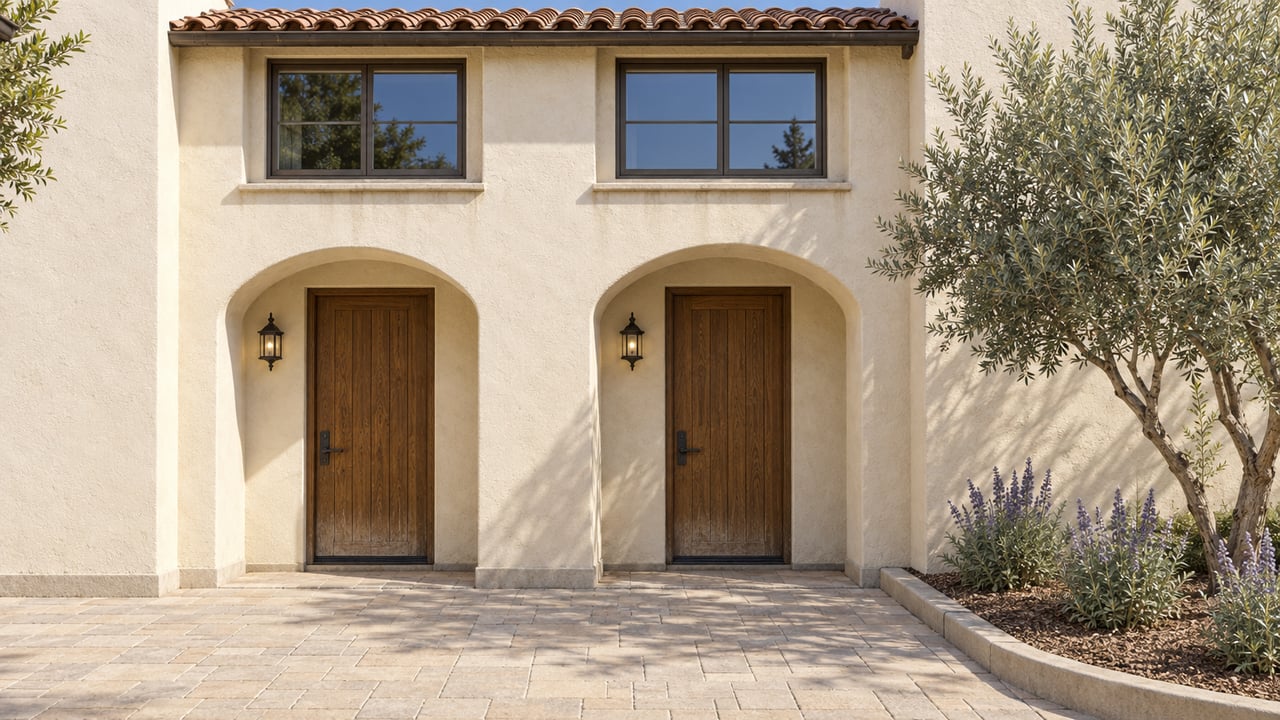
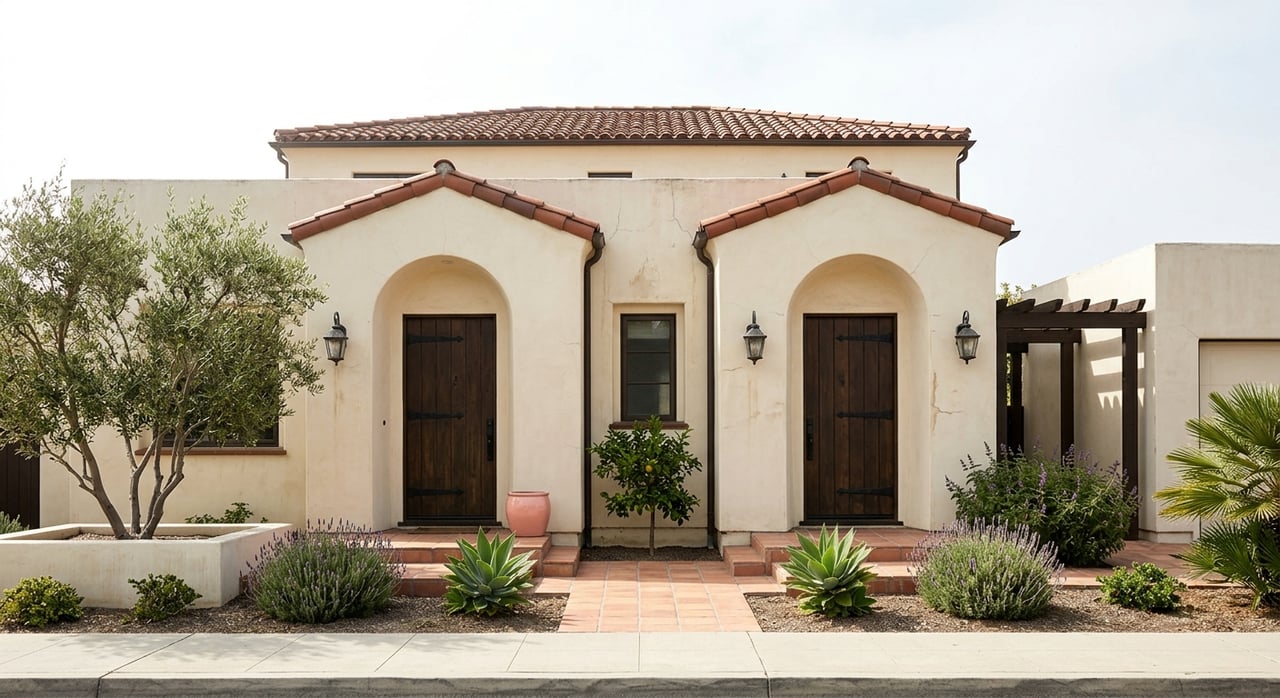
Duplexes and other small multifamily properties can be a practical first step because they give you more than one rent stream in a single asset. That can help soften vacancy risk and may make your cash flow more resilient than a single-unit rental.
The catch is that you need to screen carefully for rent-control and tenant-protection rules. According to California Courts guidance on the Tenant Protection Act, many rentals are covered after a tenant has lived there for 12 months, but some properties may be exempt, including certain owner-occupied duplexes, some single-family homes and condos that meet notice and ownership rules, and newer housing built within the last 15 years. You should verify any claimed exemption before you rely on future rent growth assumptions.
Homes with ADU potential
In Ventura, an ADU can be one of the clearest ways to create a second income stream without buying a separate property. The City of Ventura’s ADU page explains that single-family properties can have one ADU, and owner-occupied single-family homes can also have one ADU plus one JADU.
Multifamily properties may also have ADU options, including units equal to up to 25% of the existing units, one ADU in an existing non-livable structure like a garage, or up to two detached ADUs under the city’s standards. Ventura also offers free standardized detached ADU plans for 1-, 2-, and 3-bedroom units, which may help reduce design costs and speed up permit review. You still need a building permit, and some projects in the Coastal Zone may need an administrative coastal development permit.
Short-term rental plays
This is where many investors can get tripped up. If your plan depends on vacation-rental income, Ventura deserves extra caution.
The city defines a short-term vacation rental as a dwelling rented for 30 days or less, and current rules require an active STVR permit, a city business license, $1 million in liability insurance, and 10% Transient Occupancy Tax on stays under 30 days. The City of Ventura’s short-term vacation rental page also notes that updated rules adopted in December 2024 are not yet in effect because they still need Coastal Commission certification, current rules remain in place, new applications are on hold, and ADUs cannot be used for STVR use because both the primary dwelling and the ADU must be rented for longer than 30 days.
For most buyers starting out, short-term rental income should be treated as a bonus case, not the core case.
Know your recurring costs
Property taxes can change fast
One of the most common mistakes new investors make is assuming the seller’s property tax bill will be close to theirs. That can lead to a major budgeting problem after closing.
According to Ventura County’s secured property tax information, Proposition 13 limits the general tax levy to 1% of assessed value, plus voter-approved bonds and direct assessments. The county also notes that a property is reassessed when it changes ownership or undergoes new construction, which can trigger supplemental tax bills. In plain English, your first-year taxes may be much higher than what the seller paid.
Deposits and rent increases matter
You also need to understand California’s current landlord rules before you set your numbers. The California Department of Real Estate states that after July 1, 2024, most landlords are limited to one month’s rent for security deposits, while certain small landlords may charge up to two months’ rent.
The same state guidance and California Courts materials explain that AB 1482 caps many annual rent increases at 5% plus CPI, up to 10%, and adds just-cause protections after 12 months for covered units. Ventura’s February 2025 staff report said the city did not have a local security-deposit ordinance and did not recommend a broader local rent-stabilization ordinance at that time. There is a separate mobile-home rent stabilization ordinance for 12 privately owned parks, but that is not the same as the wider apartment and single-family market.
Maintenance and fire-zone compliance
In Ventura, maintenance is not just about paint and plumbing. Depending on where you buy, wildfire compliance can become part of your annual cost structure.
The city’s Fire Hazard Reduction Program says Ventura’s updated fire-hazard map classifies more than 4,600 acres as High or Very High fire hazard. Property owners in those zones must complete brush management by June 1 each year. The Fire Department also charges annual state-mandated inspection fees for R1 and R2 occupancies such as apartments and condos, including a $79 base fee, $6 per additional unit, and an $18.50 administrative fee.
A simple way to underwrite conservatively
When you are evaluating a first or second rental in Ventura, a conservative framework can keep emotion from taking over. Instead of asking, “What is the highest rent I might get?” ask, “What still works if a few things go wrong?”
Start by using current asking rents from sources like Zillow as a reference point, then compare them to broader Census rent measures so you do not anchor to a best-case number. From there, build in:
- Property taxes based on your likely purchase price, not the seller’s tax bill
- Real insurance quotes before removing contingencies
- Repairs and ongoing maintenance reserves
- Vacancy and turn-cost assumptions
- Fire-zone compliance or inspection costs if they apply
- HOA rules, if the property is in a planned community or condo association
- Legal review of any AB 1482 exemption you expect to rely on
That approach may make fewer deals pencil on paper, but it can help you avoid buying the wrong property for the wrong reason.
What to verify before closing
Ventura rewards buyers who do their homework early. Before you close on any rental property, confirm the basics that affect income, expenses, and your long-term flexibility.
Here is a practical checklist based on the city guidance in the research:
- Confirm zoning and current allowed use
- Verify whether an ADU or JADU is allowed
- Check whether the property is in the Coastal Zone
- Confirm whether the intended use is long-term rental only or if any short-term rental path exists
- Review realistic rent comps
- Verify the likely post-close tax basis
- Get insurance pricing in writing
- Review any HOA restrictions
- Confirm whether the property may be covered by AB 1482 or potentially exempt
If your plan includes an ADU, the City of Ventura ADU resources can point you to planning staff and the county ADU calculator.
Build slowly, not dramatically
In a market like Ventura, a small rental portfolio often grows best through patience. One well-bought duplex, one thoughtfully added ADU, or one carefully underwritten long-term rental can be a much stronger foundation than a flashy deal built on aggressive assumptions.
That steady approach also fits Ventura itself. This is a city where place matters, neighborhood context matters, and long-term ownership decisions tend to reward buyers who pay attention to the details. If you want help evaluating which properties have the right mix of location, flexibility, and realistic income potential, Toni Guy can help you look at the numbers and the neighborhood story together.
FAQs
What is a realistic first rental strategy in Ventura?
- For many buyers, the most realistic starting point in Ventura is a long-term rental strategy focused on a duplex, small multifamily property, or a home with ADU potential rather than depending on short-term rental income.
What should investors know about short-term rentals in Ventura?
- Ventura currently requires an STVR permit, business license, liability insurance, and Transient Occupancy Tax for stays under 30 days, and the city says new applications are on hold while updated rules await Coastal Commission certification.
What should buyers know about ADU rules in Ventura?
- Ventura allows ADUs in residential zones and mixed-use zones with existing residential use, but you should still verify zoning, permits, Coastal Zone status, and project-specific standards before buying.
What should landlords know about rent increase rules in Ventura?
- Many Ventura rentals may be subject to California’s AB 1482 rules, which can cap annual rent increases and require just-cause protections after 12 months, although some properties may qualify for exemptions.
What costs are easy to underestimate when buying a Ventura rental?
- Commonly underestimated costs include reassessed property taxes after purchase, insurance, maintenance reserves, vacancy, inspection fees for some multifamily properties, and wildfire brush-management obligations in high-hazard zones.