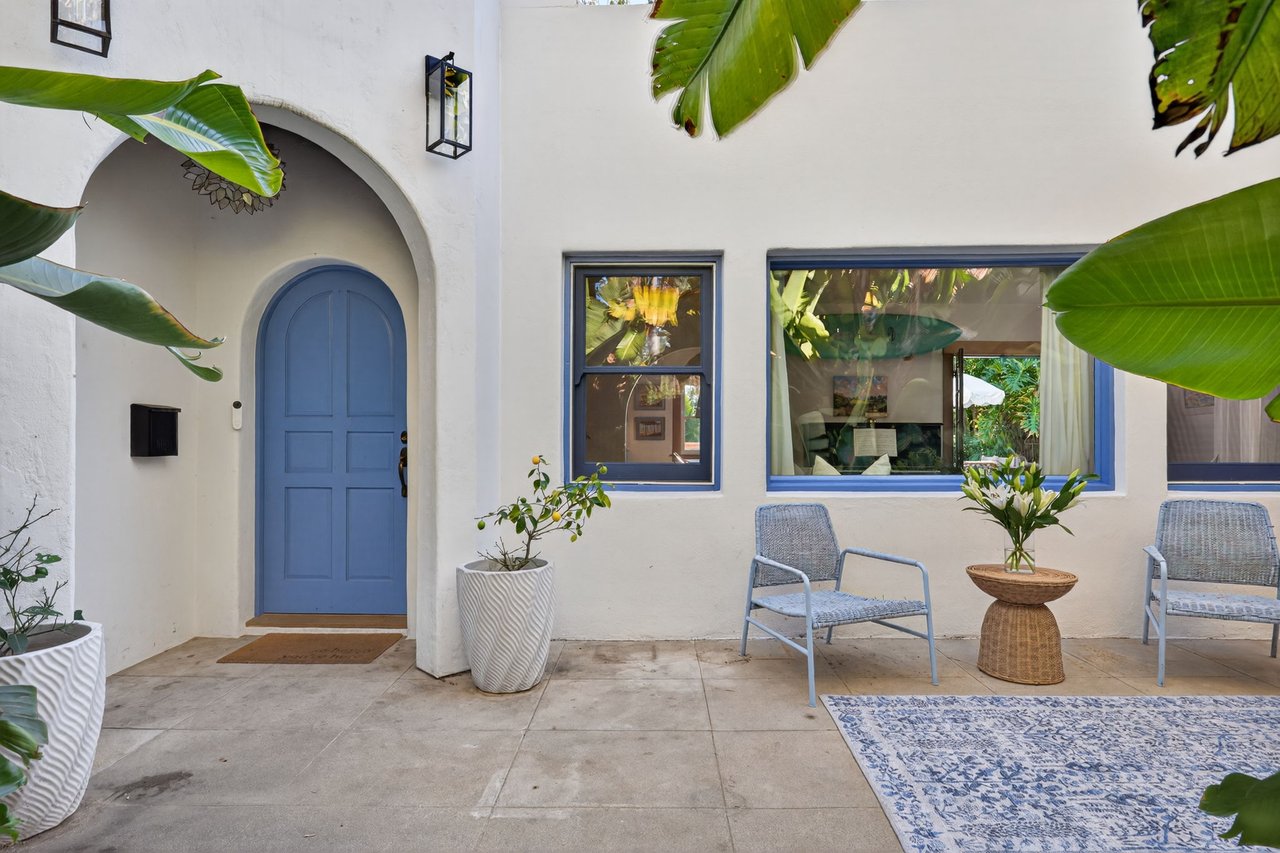
Thinking about selling your historic Hobson Heights home? You are in a special pocket of Ventura where character, story, and hillside views meet real market demand. With low turnover and one‑of‑a‑kind architecture, your sale deserves a plan that honors your home’s legacy while maximizing price and minimizing risk. In this guide, you’ll learn how to navigate Ventura’s current preservation process, prepare the right inspections and disclosures, price a unique property, and market your story to the buyers who value it most. Let’s dive in.
Why Hobson Heights stands out
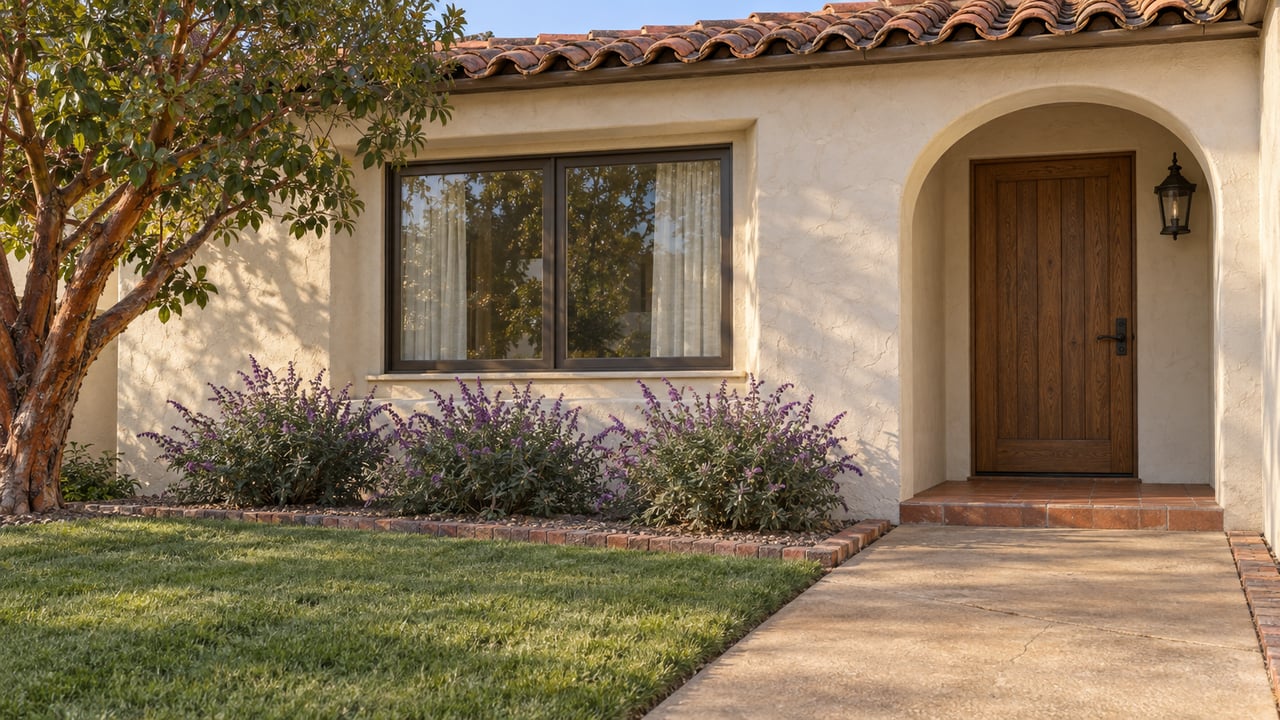
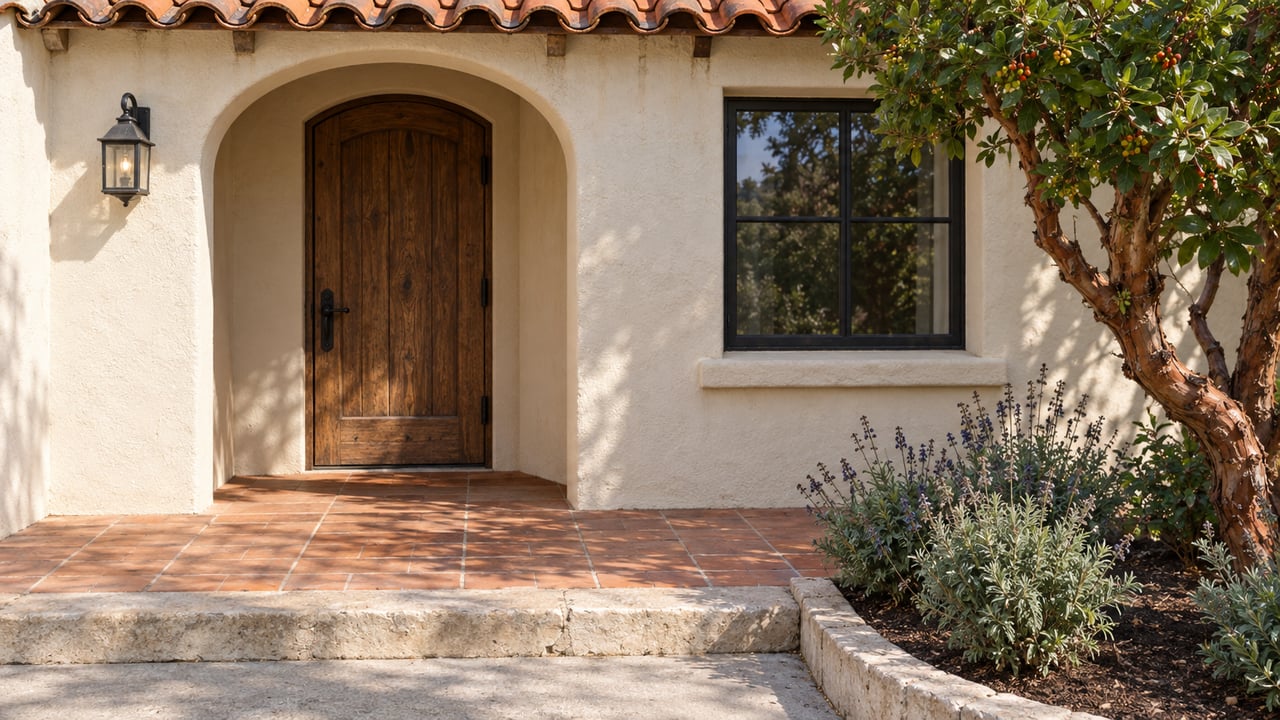
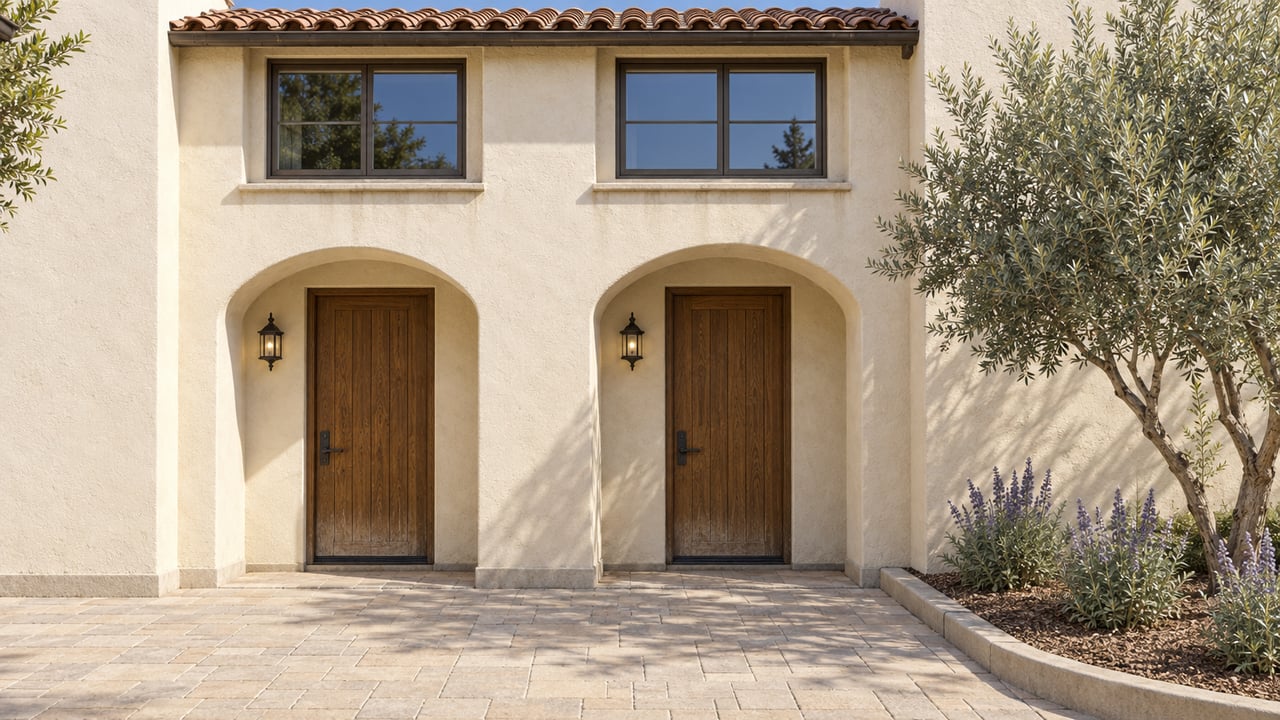
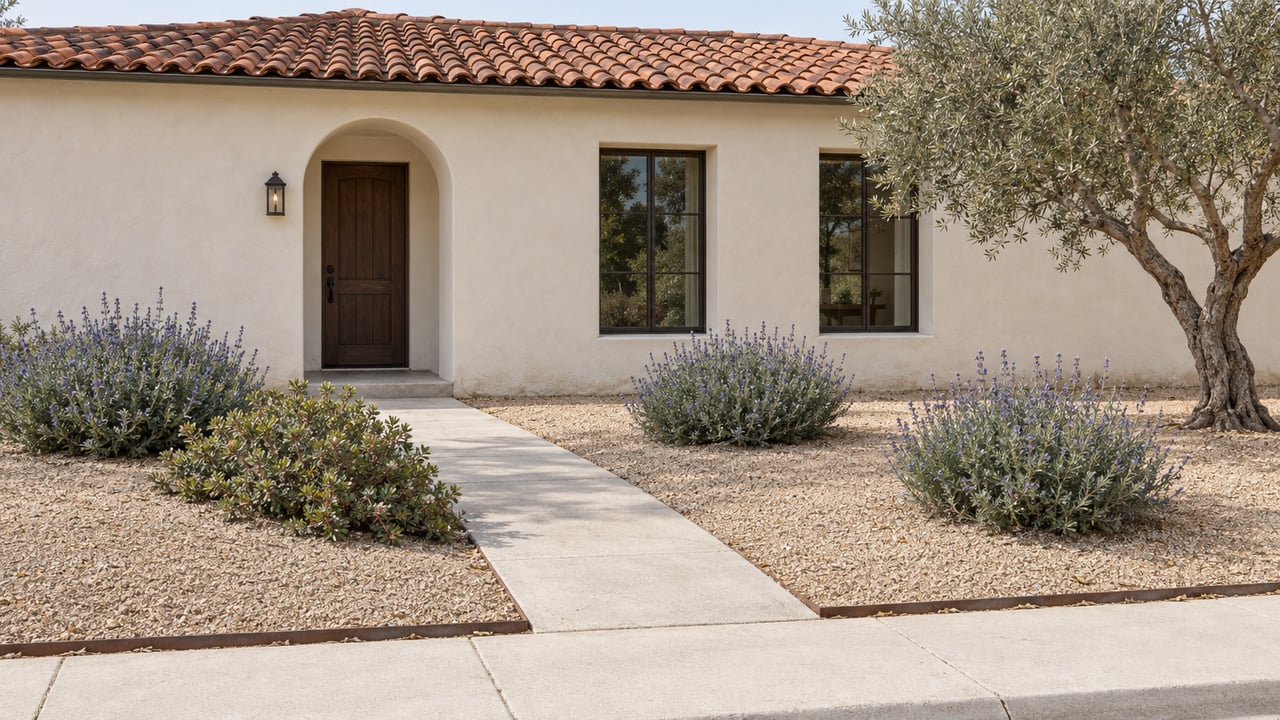
Hobson Heights is known for its 1920s Spanish, Italian, and Spanish Revival homes, custom craftsmanship, and deep neighborhood pride. Community events like home and garden tours and local storytelling keep that heritage alive, which is part of why buyers watch the area closely.
Inventory is limited and turnover is low, which supports strong pricing. In recent years, list and sale prices often land in the low to mid seven figures, with individual sales around the 1.2 million to 2.5 million plus range depending on size, view, and condition. That means careful presentation and a tailored pricing plan can have a real impact on your outcome.
Understand Ventura’s historic survey
The City of Ventura completed a draft Citywide Historic Context Statement and Survey and published draft results. Final City Council action is scheduled for April 28, 2026, following public comment and Historic Preservation Committee review. Owners identified in the draft were asked to submit materials by a stated deadline to be considered at that hearing. You can review the process and contact information on the City’s historic preservation page. See the City’s program overview and updates.
What a draft listing means for you
The City’s materials explain that the survey is an identification and evaluation tool only. Being listed as a potential historic resource in the survey does not automatically designate your property or change your rights. Ventura requires property‑owner approval before a property is submitted for local designation. If your home appears in the draft inventory, note the April 28, 2026 action date and the City’s earlier deadline for submitting owner materials to the record.
Action steps if you’re on the draft list
- Confirm whether your property appears in the draft inventory and note the City’s timetable.
- Gather documentation that helps define your home’s history and condition. Photos, plans, permits, and restoration records are useful.
- If you plan to sell this year, align your marketing and disclosure timeline with the City’s hearing schedule, especially if buyers will ask about status.
- Direct property‑specific questions to City planning or historic staff using the contact channels posted on the City page.
Mills Act: tax savings and owner obligations
The Mills Act is a California program administered by local governments that can offer substantial property tax relief for qualified historic properties in exchange for a contract to rehabilitate and maintain the resource. Contracts typically run 10 years with annual renewals and they transfer with the property. Local governments set eligibility rules and application windows. If your home already has a Mills Act contract, you should disclose the continuing obligations since they will carry to the next owner. Learn more from the State Office of Historic Preservation’s overview of how the Mills Act works.
Get your disclosures right in California
Selling a historic home does not change your core disclosure duties, but it can increase the depth of information buyers want. Plan ahead and be complete.
Transfer Disclosure Statement (TDS)
For most 1 to 4 unit residential properties, California law requires sellers to deliver a written Transfer Disclosure Statement describing known conditions, material defects, unpermitted work, and system issues. The TDS is completed by you, not your agent, and sellers can be liable for negligent or willful omissions. Review a summary of the TDS requirements here: California Civil Code disclosure overview.
Natural Hazard Disclosure (NHD)
California Civil Code requires disclosure if a property is in certain state‑mapped hazard zones, including special flood hazard areas, very high fire hazard severity zones, earthquake fault zones, and seismic hazard zones. Many escrow and title companies provide an NHD report to help meet this requirement. For Ventura hillside properties, wildfire and seismic layers often appear in buyer due diligence. See the statute summary for Natural Hazard Disclosures under Civil Code 1103.
Lead‑based paint for pre‑1978 homes
Federal law requires sellers of housing built before 1978 to provide buyers with the lead hazard pamphlet, disclose known lead hazards, share available reports, and include the Lead Warning Statement in the contract. Buyers must be given the opportunity to conduct a lead inspection unless they waive the right. Most Hobson Heights homes will follow this routine. Review the federally prescribed pamphlet and requirements in the EPA’s lead disclosure materials.
Material facts that matter for historic homes
Fire and disaster history
If your property experienced damage related to incidents like the Thomas Fire, disclose what you know. Dates, scope of damage, permits, engineering reports, and receipts for repairs give buyers confidence. The neighborhood’s history page documents local impacts and rebuilding. You can reference the Hobson Heights history and recovery notes when organizing your records.
Unpermitted work and permit history
Historic homes often reflect decades of incremental changes. If you know of unpermitted work or if systems were updated without final inspection, disclose it. Buyers and lenders commonly request permit histories and final inspection evidence. The TDS framework covers this topic and helps you organize what to share. See the TDS summary again for context: California seller disclosure overview.
Pre‑listing inspections and smart repairs
Targeted inspections for older, hillside homes
A coordinated pre‑listing inspection package reduces surprises and supports premium pricing. Start with a general home inspection and add specialists as needed: roof, termite and pest, electrical, and plumbing. For hillside lots where slope or settlement could be a realistic risk, consider consulting a geotechnical engineer. California case law that grew out of the Easton principle expects agents to call out material issues a competent visual inspection would reveal, which reinforces the value of addressing visible concerns early. For background on hillside risks and why experts matter, see this technical overview of unstable hillsides.
Repair priorities vs. preservation
Focus first on safety and buyer confidence. Fix active leaks, visible roof deficiencies, live termite activity, and unsafe electrical. Then, weigh repairs against the value of original fabric. Preserving patina and authentic materials like tile, ironwork, plaster, and millwork is often more attractive to preservation‑minded buyers than replacing with mismatched modern finishes. When you do intervene, in‑kind repair with sympathetic materials typically wins. Industry practice looks to the Secretary of the Interior’s Standards as accepted preservation guidance, and appraisers evaluating unique properties consider how work aligns with those standards. For valuation context, see this reference on approaches appraisers use for distinctive properties in The Appraisal of Real Estate.
Pricing strategy for a one‑of‑a‑kind home
A comparative market analysis is a useful starting point. In Hobson Heights, truly comparable sales may be scarce. When that happens, appraisers may weigh the Cost Approach more heavily, estimating reproduction or replacement cost and adjusting for depreciation. If part of the property has income potential, they may also consider an Income Approach. The key is to work with an appraiser who understands historic properties and current Ventura conditions to calibrate where buyers will see value. That pricing plan should also account for view corridors, site livability, and the scope of any required repairs.
Insurance and cost‑to‑restore realities
Authentic restoration can cost more than standard market price per square foot. Specialty trades and period‑appropriate materials add expense. Standard homeowners policies may not fully cover historically accurate restoration or code upgrades, so it pays to consult an insurance broker who works with older homes. Ask about insured replacement cost, ordinance or law coverage for code upgrades, and whether restoration to specific standards can be endorsed. Lining up guidance before you list helps you answer buyer questions with confidence.
Tell the story to reach the right buyers
The buyers who seek historic homes care about provenance, craftsmanship, and setting. A clear, verifiable story about the architect or builder, year built, notable residents, and documented restoration work helps you stand out and supports premium pricing. National preservation networks demonstrate how targeted storytelling connects with motivated buyers. For examples and channels that reach this audience, explore the National Trust’s historic real estate resources on story‑driven selling.
Marketing assets to prepare
- High‑quality architectural photography, including detail shots and a twilight exterior.
- A short cinematic walkthrough video that lingers on period details.
- Drone imagery if views are a draw, with a hero shot that places the home in its hillside context.
- A printable heritage packet that includes restoration receipts, permits, old photos, and a short neighborhood history.
- Floor plans, a concise permit/NHD summary, and clear notes on any Mills Act status.
Use local community channels
Hobson Heights has an active community presence, including home and garden tours and neighborhood storytelling. Timing an agent open or a public event around neighborhood programming can spotlight your home with the right audience and demonstrate stewardship. See examples of local events on the Hobson Heights home and garden tour page.
Quick pre‑listing checklist
- Check the City of Ventura draft historic survey to see if your property appears. If it does, collect documentation and note the April 28, 2026 hearing date and the City’s earlier submission deadline for owner materials.
- Complete your TDS and order an NHD report early. Prepare the lead‑paint pamphlet and disclosures for pre‑1978 homes.
- Commission a pre‑listing inspection package. Address safety items and gather repair estimates for anything you defer.
- Consult an appraiser experienced with historic homes in Ventura to refine pricing when comps are limited.
- Build your story packet and plan professional architectural photography. Run one preservation‑oriented placement in parallel with your MLS strategy.
Your next step
Selling a Hobson Heights original is both personal and strategic. You want to protect what makes your home special while capturing the full market value of its story. With two decades of local experience, creative media, and a track record recognized by leading brokerage awards, our boutique approach is designed for character properties. If you are ready to map out a clear plan for your sale, connect with Toni Guy for a tailored strategy and valuation.
FAQs
How could Ventura’s historic survey affect my Hobson Heights sale?
- The draft survey identifies potential resources but does not itself designate your home or change rights. Ventura requires owner approval before local designation, and final City Council action is scheduled for April 28, 2026. Check the City’s page for process updates and timelines.
What is the Mills Act and does it transfer to the buyer?
- The Mills Act can reduce property taxes for qualified historic properties in exchange for a maintenance and rehabilitation contract. Contracts typically auto‑renew and transfer with the property, so disclose any active contract and its obligations to buyers.
What disclosures are required for a pre‑1978 Hobson Heights home?
- You must deliver the state‑required TDS, provide an NHD report if applicable zones apply, and comply with federal lead‑based paint rules for pre‑1978 housing, including the pamphlet, known hazard disclosures, and the Lead Warning Statement.
How should I price a historic home when there are few comps?
- Start with a CMA, then work with an appraiser who understands historic properties. They may rely more on the Cost Approach and adjust for view, condition, and preservation quality when comparable sales are limited.
Do I need special inspections for a hillside home in Hobson Heights?
- In addition to a general inspection, consider roof, termite, electrical, and plumbing specialists. For lots where slope or settlement is a realistic risk, consult a geotechnical engineer to address buyer and lender concerns early.