Is this the moment to list your Ventura home, or should you wait a few months? If you are weighing life plans, rates, and what buyers are doing right now, you are not alone. Selling is both a financial and personal decision, and timing can help you protect your equity. In this guide, you will learn how to read key local signals, balance them with your own timeline, and prepare your home to stand out. Let’s dive in.
Read Ventura’s market signals first
Before you pick a date, look at a few indicators that show how the Ventura market is moving. You can review up‑to‑date data with a local agent and trusted sources.
- Median sale price and price per square foot
- Active and new listings
- Pending and closed sales
- Days on market and time to contract
- Sale to list price ratio
- Months of inventory
Where to find reliable data:
- Review county and state trends through the California Association of Realtors market data.
- Ask your agent to pull a current snapshot from the local MLS and Ventura County Association of REALTORS tools.
- Track the weekly mortgage-rate backdrop with Freddie Mac’s PMMS.
How to read the signals:
- Falling days on market and lower months of inventory often point to stronger seller leverage.
- Rising inventory and more days on market can give buyers more negotiating room.
- Focus on 3 to 6 month trends, not a single month. Neighborhoods can move differently, so compare your area to the city overall.
How seasonality works in Ventura
Ventura’s coastal lifestyle shapes buyer activity. You can use that to time your listing.
- Spring, late February through June: Often the busiest window for showings and new listings, which can support stronger prices.
- Summer: Coastal demand can remain active, including out‑of‑area buyers who visit during travel season.
- Early fall, September through October: A solid second window with fewer competing listings and motivated buyers.
- Late fall and winter: Slower overall, but serious buyers remain. Your home can stand out if inventory thins.
Tip for coastal and lifestyle properties: If your home features ocean views, beach access, or walkable downtown amenities, you can often capture strong demand beyond spring. Families who follow school calendars may focus on spring and early summer, while retirees and remote workers move more flexibly.
A simple decision framework
Use this checklist to decide if selling this season fits your goals.
A) Clarify your timeline and goals
- When do you need to move, and how flexible are you?
- What is your plan after the sale: buy nearby, relocate, or rent for a period?
- What net proceeds do you need after paying off your mortgage and costs?
- Do you have the bandwidth for prep, showings, and negotiations right now?
B) Get a local snapshot you can trust
- Request a Comparative Market Analysis from two experienced Ventura agents.
- Review 3 to 6 month trends for your neighborhood and price band.
- Ask for a pricing and marketing strategy with a likely time on market and net proceeds range.
C) Check the financials and risk
- Ask for a seller net sheet that includes commissions, closing costs, repairs, and moving.
- Weigh the cost of waiting: mortgage, HOA, taxes, insurance, and maintenance.
- If you plan to buy locally after selling, estimate payments at today’s rate using Freddie Mac’s rate trends as context.
- If equity is strong and timing is flexible, you can be selective. If timing is tight, plan for options like rent‑back or a contingent purchase.
D) Balance market timing with life timing
- If indicators point to a seller‑leaning period and you need to move soon, listing now can help you capture demand.
- If conditions favor buyers and you are not on a deadline, you can wait, but compare potential gains to the cost of holding the home.
- If you are selling and buying locally, align both timelines to avoid double moves.
E) Reduce surprises before you list
- Consider a pre‑listing inspection to catch repair items early.
- Get a payoff statement from your lender and map your next financing step.
- Review required California disclosures early so you can deliver a complete file and avoid delays.
When selling this season makes sense
You may be positioned to list now if:
- You have a clear move date and want to avoid extra carrying costs.
- Your neighborhood shows steady demand and reasonable days on market.
- Your home has lifestyle features that shine in spring, summer, or early fall.
- You have completed key repairs and can present well in photos and in person.
Waiting can be smart if:
- Inventory is rising, and you do not face a deadline.
- You need time to finish important repairs or to prepare your next purchase.
- You want to list during a specific seasonal window that fits your likely buyer profile.
Neighborhood nuance in Ventura
Ventura is a city of distinct pockets, and buyer profiles vary across them.
- Coastal areas like Pierpont, Ventura Keys, and Downtown near the Pier attract lifestyle‑driven buyers who value beach access and walkability.
- East and West Ventura, and communities along the 101 corridor, often serve move‑up buyers and commuters to Oxnard or Santa Barbara.
- Some submarkets near medical and college employers can show steady demand across seasons.
This means pricing and marketing must reflect the audience you expect. A waterfront property calls for a focus on views, outdoor living, and proximity to the beach. A home near major employers may benefit from messaging around commute routes and everyday amenities.
Your preparation timeline
You can move from decision to listing with a simple, staged plan.
0 to 2 weeks: Decide and set direction
- Interview two local listing agents and compare CMAs and marketing plans.
- Request a net proceeds estimate and align on a preliminary price range.
- Declutter, deep clean, and address quick cosmetic fixes like paint touch‑ups.
- Gather documents: deed, mortgage info, warranties, and recent utility bills.
2 to 6 weeks: Make a strong first impression
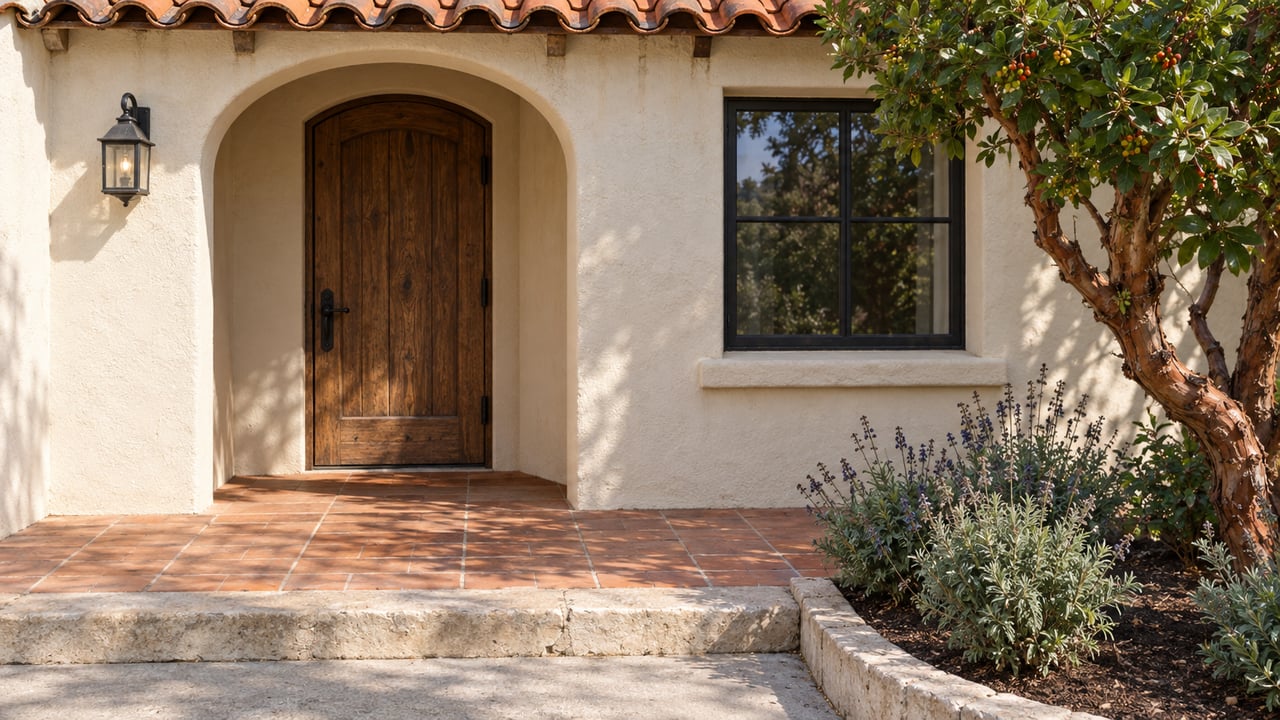
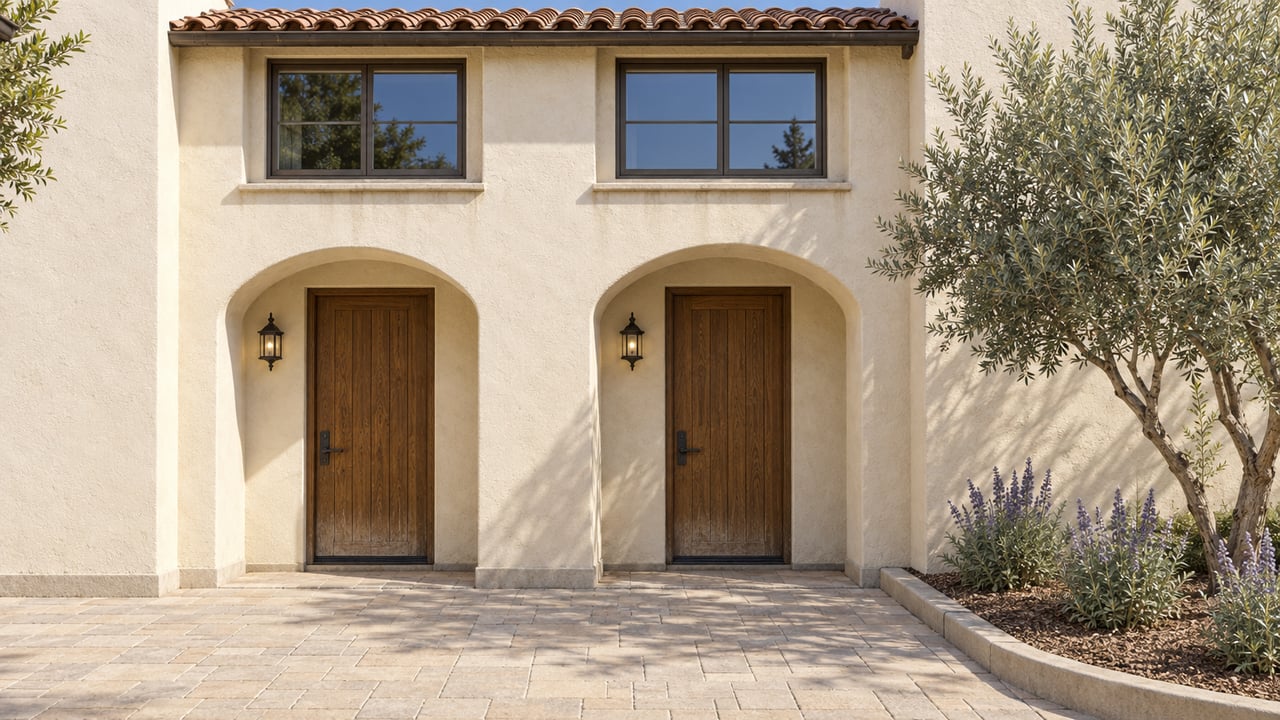
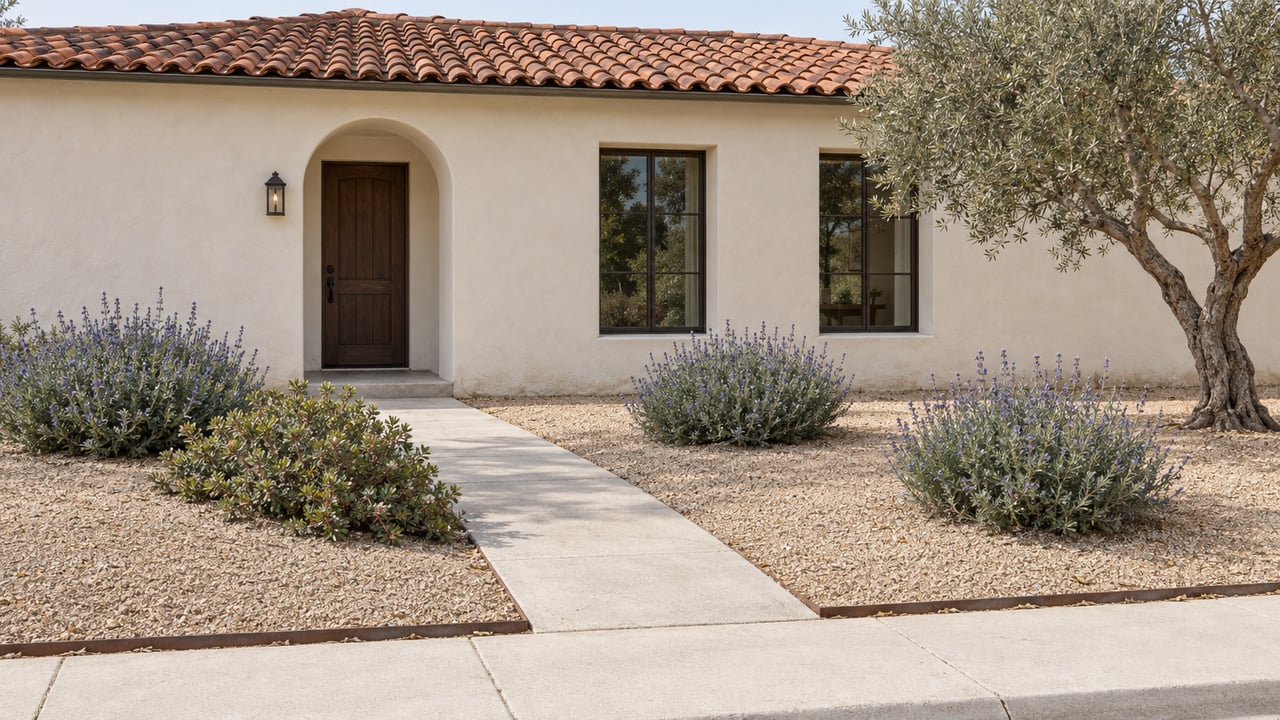
- Improve curb appeal with landscaping and a clean entry.
- Schedule professional photography and a virtual tour to highlight lifestyle features.
- Consider a pre‑listing inspection and complete cost‑effective repairs.
- Refresh kitchens and baths with simple updates if needed, like lighting and hardware.
6 to 12 weeks and beyond: Bigger projects
- Plan for roof, HVAC, termite, or structural work if required.
- Confirm permits for additions. Coastal and historic areas can have specific rules. Check with the City of Ventura Community Development and the Ventura County Assessor for records and guidance.
- Reserve staging early if you plan to rent furniture during peak season.
Pricing and marketing that fit Ventura
Your pricing strategy should reflect current comps, your home’s condition, and your neighborhood’s buyer mix.
Common pricing approaches:
- Competitive pricing to spark multiple offers and shorten time on market.
- Confident pricing with clear value that allows for measured negotiation.
Marketing best practices in our coastal market:
- Lead with high‑quality visuals. Professional photos and video help buyers connect with lifestyle features like patios, gardens, and beach access.
- Tell the property’s story. Highlight walkability, views, and unique architectural details.
- Use a mix of digital listings, targeted social ads, broker tours, and open houses, subject to local customs and HOA rules.
Disclosures and closing confidence
California has specific disclosure requirements that protect both you and the buyer. Prepare these early to keep your escrow on track.
- Natural Hazard Disclosure and related forms for areas with flood, fire, or seismic risks
- Smoke and carbon monoxide detector statements
- Documentation for known repairs, permits, and improvements
Typical escrow periods range from 30 to 45 days, depending on financing and inspections. Clear communication, complete disclosures, and early repair planning help you close on time.
Putting it all together
If you align your personal timing with a realistic read of the Ventura market, you can list with confidence. Focus on recent neighborhood data, plan a clean and compelling presentation, and choose a pricing and marketing strategy that meets buyers where they are. If you are not sure whether now is the season for you, a quick CMA and net sheet can clarify the path.
Ready to see your options and timeline in detail? Connect with Toni Guy for a current market snapshot, a tailored valuation, and a step‑by‑step plan to list with confidence.
FAQs
What market data should Ventura sellers check first?
- Review median price, days on market, months of inventory, and sale to list ratio with an MLS‑based CMA and the C.A.R. market data for county context.
How do mortgage rates affect my decision to list now?
- Rates influence buyer budgets and demand. Track weekly trends on Freddie Mac’s PMMS and weigh them against your timeline and carrying costs.
When is the best season to sell a coastal Ventura home?
- Spring is traditionally strong, and coastal appeal often extends demand into summer and early fall. List when your home’s outdoor and lifestyle features show best.
Should I invest in repairs before selling in Ventura?
- Address health, safety, and inspection items first. Then do high‑impact cosmetics like paint, lighting, and curb appeal that improve first impressions.
What disclosures are required when selling in California?
- Expect Natural Hazard Disclosure forms and safety statements like smoke and CO detectors, plus documentation of known repairs and permits.
How long does a typical Ventura home sale take from list to close?
- After prep, many homes receive offers within the first couple of weeks, then close in about 30 to 45 days, depending on financing and inspections.